As fall progresses in West Fork and the rains begin to settle in, producers often find themselves facing the yearly challenge of managing mud and hoof health in their cattle herds. Muddy lots and pastures can set the stage for a range of hoof problems that threaten both animal welfare and your operation’s bottom line. The team at Smithers Animal Hospital understands how quickly wet conditions can impact herd soundness, especially as November brings heavier precipitation and cooler temperatures. In this guide, we’ll walk you through the most common fall hoof issues in cattle, explain the environmental and management factors at play, and outline practical steps to keep your cattle’s feet healthy as winter approaches. We’ll also cover when it’s time to consult with our veterinary team and how proactive care can help your operation avoid costly setbacks. For producers in West Fork and surrounding communities, safeguarding herd health this season starts with understanding the risks and staying vigilant. If you want to learn more about our food animal veterinary services, visit our page on food animal and equine veterinary medicine services relevant to cattle health and hoof-care concerns.
Recognizing Hoof Problems in Cattle: What Producers Should Watch For
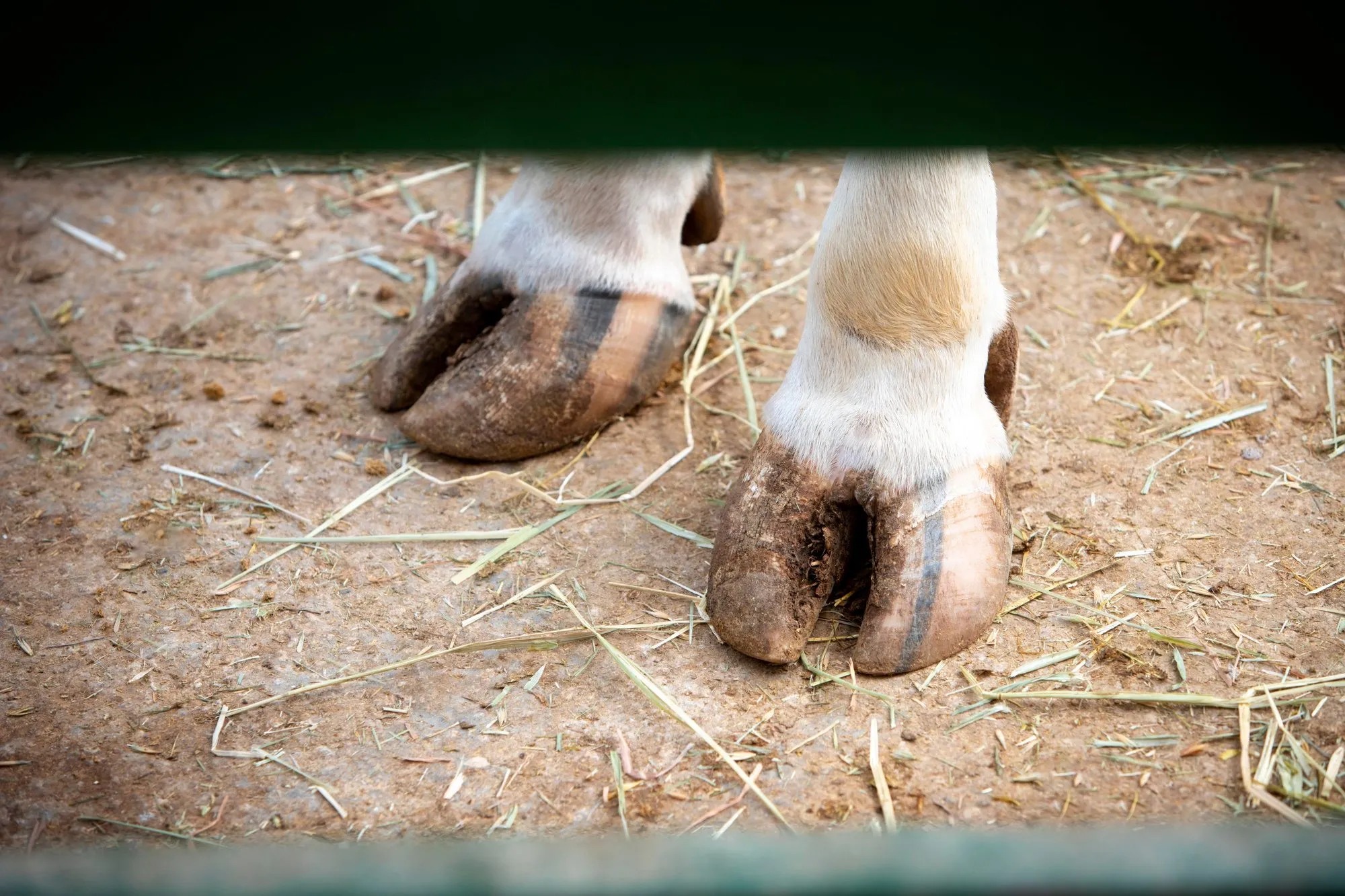
Detecting hoof problems early is essential to prevent minor issues from turning into major herd health concerns. In the fall, when muddy conditions are common around feeding areas, gates, and water troughs, it’s critical to observe cattle for subtle changes in mobility and behavior. Signs that a hoof problem may be developing include cattle lagging behind the group, showing reluctance to walk through deep mud, or favoring one limb more than usual. You may notice swelling above the hoof, heat or redness around the coronary band, or cracks and soft spots on the sole. In more advanced cases, cattle may spend more time lying down, have difficulty standing, or develop visible abscesses and foul odors from the foot.
Lameness is often the first noticeable sign, but changes in body condition, decreased feed intake, or reluctance to move to the feed bunk can also indicate hoof pain. Producers should pay particular attention to youngstock and high-producing cows, as these groups are often most susceptible to foot issues when conditions are wet and footing is poor. Identifying these warning signs early allows for prompt intervention, minimizing both animal discomfort and the risk of long-term production losses.
Understanding Why Fall Brings More Hoof Problems
Muddy conditions are more than a seasonal nuisance; they create the ideal environment for bacteria and fungi that attack bovine hooves. In West Fork, the combination of clay soils, heavy rainfall, and high-traffic areas around hay rings or feed bunks means mud can persist for weeks at a time. Cattle forced to stand in wet, contaminated footing are at increased risk for foot rot, digital dermatitis, sole ulcers, and other painful hoof disorders.
The constant moisture softens the hoof horn, making it easier for pathogens to invade through small cracks or abrasions. When manure accumulates in muddy areas, it further amplifies the bacterial load, accelerating the onset of infection. Fall is also a time when cattle are often moved between pastures or brought into closer quarters for winter feeding, increasing both stocking density and the likelihood of trauma or injury to the feet.
In addition, heavy cattle traffic around feeding sites can quickly churn up mud, especially if the ground is already saturated. Without proper management, these factors combine to create a high-risk scenario for both acute and chronic hoof problems throughout the fall and into early winter.
Professional Management and Treatment Approaches
When hoof issues arise, early intervention by your veterinary team is crucial for effective resolution and to prevent herd-wide problems. Treatment approaches depend on the specific condition and severity, but commonly involve thorough cleaning and examination of the affected hoof, trimming diseased or overgrown tissue, and applying topical or systemic antibiotics where infection is present. For cases like foot rot, prompt antibiotic therapy is often highly effective if started early.
In some situations, your veterinarian may recommend hoof blocks to relieve weight-bearing on the affected claw or bandages to protect the area from further contamination. Severe or chronic cases might require more advanced interventions, including minor surgical procedures or long-term systemic therapy.
At Smithers Animal Hospital, our team is equipped to provide on-farm evaluations, hoof trimming guidance, and herd consultations to address both individual and group-level hoof health challenges. We also offer herd health programs that integrate regular hoof checks with nutritional and housing recommendations, ensuring that producers have a comprehensive plan tailored to the needs of their operation. For more details on how these services can benefit your herd, explore our food animal and equine veterinary medicine services relevant to cattle health and hoof-care concerns.
Practical Steps for Preventing Mud and Hoof Problems Before They Start
Prevention is always more effective and cost-efficient than treatment, especially when it comes to hoof health. Managing mud begins with strategic pasture and lot maintenance. Rotating feeding locations helps distribute cattle traffic and minimizes the buildup of muck in any one area. Installing gravel pads, geotextile fabric, or hog slats in high-traffic zones such as gates, waterers, and feed bunks can significantly improve footing and reduce mud depth.
Cleaning and re-bedding loafing sheds or barns regularly prevents moisture and manure from accumulating, while designing proper drainage around lots and pens helps keep these areas drier even during heavy rains. If possible, avoid overcrowding during wet months, as tighter stocking rates increase the risk of both trauma and infection.
Nutritional support also plays a vital role in hoof integrity. Ensuring that cattle receive balanced trace minerals, particularly zinc, copper, and biotin, promotes healthy hoof horn growth and resilience. Work with your feed supplier or nutritionist to review your mineral program heading into the fall.
Additionally, plan for routine hoof inspections as part of your fall management practices. Bringing cattle through the chute for preg-checks or vaccinations is an ideal time to assess hoof condition, trim overgrown claws, and catch early signs of disease before they escalate.
When to Call Your Veterinarian for Hoof Issues
Even with the best management, muddy conditions can sometimes overwhelm your prevention efforts. Knowing when to involve your veterinary team is critical to preventing long-term damage and production losses. You should contact your veterinarian promptly if you observe persistent or severe lameness, swelling that does not improve within a day or two, visible wounds or abscesses, or if multiple animals are affected in a short period.
Prompt veterinary attention is especially important if cattle become non-weight bearing, develop a fever, or show signs of systemic illness such as decreased appetite or lethargy. These symptoms may indicate a deeper infection that requires prescription medication or more intensive care. Early diagnosis and targeted treatment not only help affected animals recover faster but also protect the rest of the herd from outbreaks of contagious hoof diseases.
Smithers Animal Hospital’s veterinary professionals are available to assist with both individual cases and herd-wide hoof health concerns. Scheduling a farm visit allows our team to assess your operation’s unique risk factors and develop a management plan tailored to your environment.
Supporting Your Cattle’s Hoof Health All Season Long
Producers in West Fork know that fall’s wet weather is a test of preparation and vigilance. By recognizing hoof problems early, understanding the risks posed by mud, and taking practical steps to improve footing and herd management, you can greatly reduce the likelihood of costly lameness outbreaks this season. Remember that nutritional support, routine inspections, and prompt intervention are your best tools for keeping your herd sound.
If you are searching for a veterinarian near me who understands the realities of cattle production in Arkansas, Smithers Animal Hospital is here to support your operation. Our food animal and equine veterinary medicine services relevant to cattle health and hoof-care concerns are designed to give you peace of mind as you head into winter. To schedule a herd health visit or consult with our veterinary team, call (479) 839-2328 or stop by 53 S. Centennial Ave., West Fork, AR 72774. Our commitment is to help you keep your cattle healthy, productive, and ready for the challenges of the season ahead.
This blog is intended for informational purposes only and does not replace professional veterinary advice. Always consult with your veterinarian for specific concerns regarding your herd’s health.